Skip to the showcase ledger
Round apothecary mortar seal for handmade pastille confection tins Vesper & Clove Pastille Works · Shepherdstown, WV

Handmade pastilles · Tin lozenges · Est. 1974

Handmade pastilles with the taste of a 1960s apothecary counter

We pour botanical pastilles and pressed lozenges in small copper kettles, cut them on a marble slab, and let them cure for weeks before a single tin is filled. This showcase is the full museum ledger of the house: every collection, every batch note, every texture we can still coax out of sugar and steam.

  • Small-batch kettles of six to twelve pounds
  • Botanical oils steeped in house, never sprayed on
  • Keepsake tins stamped with the kettle date
  • Written tasting notes for every collection

Archive line 04-A · violet and rose pastilles · cured 21 days · 168 tins filled by hand
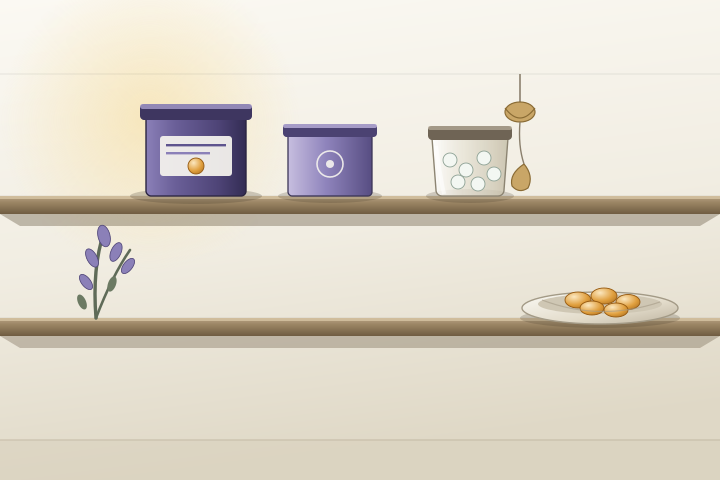
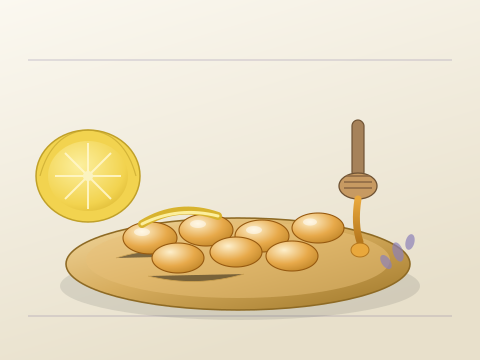
Apothecary shelf holding lavender pastille tins and honey lozenge jars
The upper shelf: violet tins, wintergreen jar, honey lozenges, dried lavender.

Flavour & Craft Tag Directory

The working vocabulary of the kettle house, filed like the paper tags that once hung from apothecary drawers.

  • Small-batch confections
  • Keepsake gift tins
  • Violet & rose pastilles
  • Honey-lemon lozenges
  • Anise squares · star stamped
  • Wintergreen mints
  • Cure 21 days · marble slab
  • Retro candy counter
  • Holiday sweet assortments
  • Care package treats
  • Heritage candy craft
  • Floral pastille drops
  • Horehound & sassafras notes
  • Adult gift assortment

Specimen Drawers: The Collector Collections

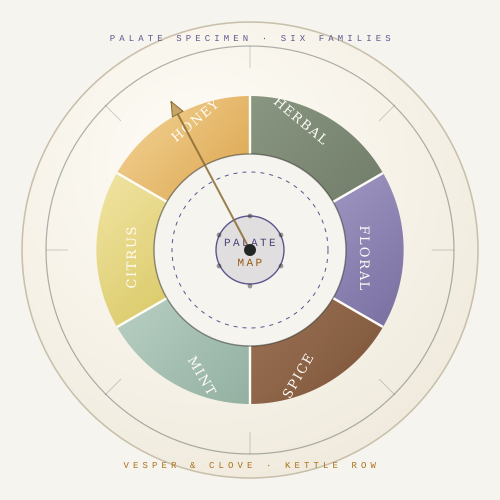
Six archival drawers from the working catalog. Filter the shelf by palate family, then read the batch specifications filed beneath each tin.

Section I · Collections 01–06

Six drawers open: the complete archive of handmade pastilles and tin lozenges.

The Palate & Tin Desk

Three quiet questions, answered the way a counter clerk once answered them. The desk writes a tasting and gift summary you can keep, copy, or read aloud to a friend who is doing the sending.

Step One · The occasion
Step Two · The palate
Step Three · The vessel

The Craft Quire: How a Batch Is Set Down

Two facing pages from the batch book: the method on the left, the questions buyers ask most often on the right.
Section III · Batch method

Four movements of a kettle

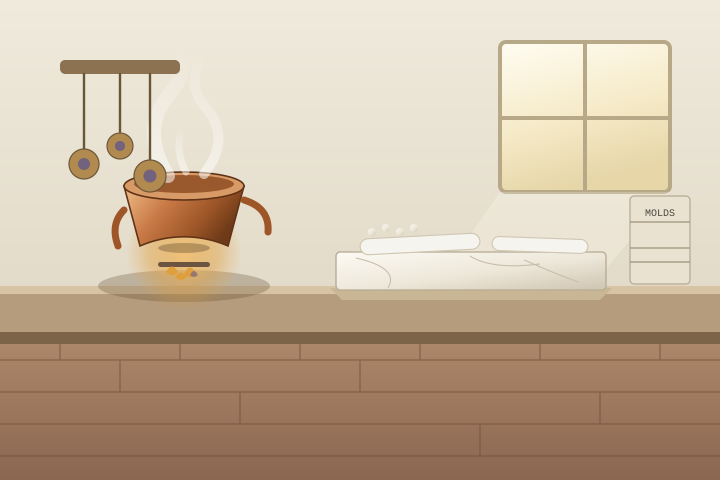
Artisan kettle house with copper pan marble slab and steam
The kettle house: copper pan, marble cooling slab, brass molds.
One · The syrup
Raw sugar and spring water boil to a thread stage in a copper pan. Botanical oils go in off the heat so the violet, anise and wintergreen keep their top notes instead of turning flat.
Two · The pour
The batch is poured onto a marble slab and folded with a paddle until it firms. This is where texture is decided: a long fold makes a chalk-soft pastille, a short one a glass-bright lozenge.
Three · The cure
Cut pieces rest in a dry curing room for two to three weeks. Old ledger entries call this the quiet work, and it is the step that gives a pastille its slow melt.
Four · The stamp
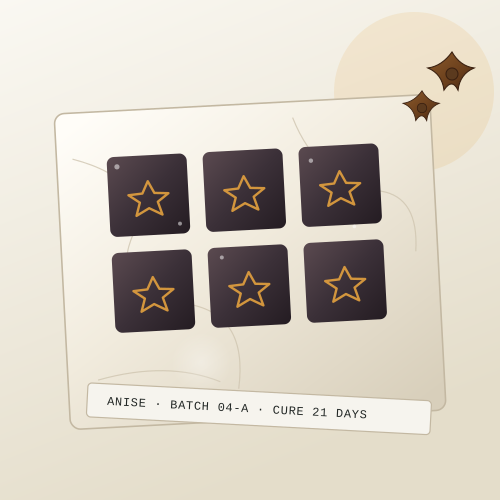
Anise squares take a five-point star from a brass die; pastilles are rolled in fine sugar and counted into tins by hand, one drawer at a time.

Batch ledger questions

Why is the batch size so small?
Six to twelve pounds is what one pair of hands can fold and cut before the sugar cools. Larger runs lose the marbled bloom that collectors recognise on the surface of a good pastille.
Which collection suits a first gift?
Honey-lemon lozenges read as generous and safe, while violet and rose pastilles feel more like a keepsake. A two-tin pairing of floral and cool mint covers both instincts.
How should a tin be kept?
Cool, dry, away from the stove. Pastilles hold for months in a closed tin; paper cartons are best finished within a season, which is part of their charm.
Do the flavours change with age?
Floral notes soften first, anise deepens, and mint stays bright longest. The kettle date on the lid is the honest guide to which stage a tin has reached.
Can a collection be sent as a care package?
Yes. Paper cartons travel best and arrive with the sugar intact; brass tins are the better choice when the gift is meant to be kept on a shelf afterwards.
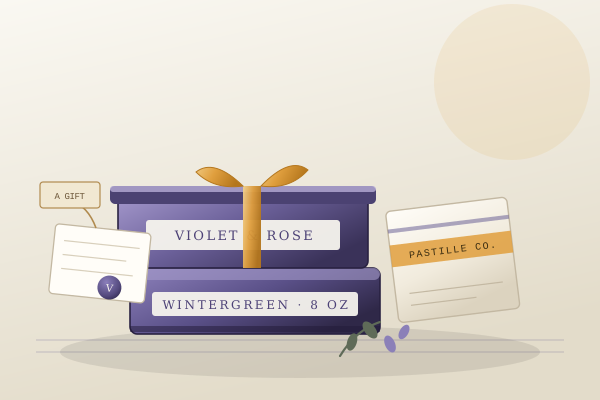
Stacked keepsake gift tins tied with lemon ribbon and wax sealed

Regional heritage · the Potomac apothecary trade

A candy counter that kept the apothecary's habits

Shepherdstown sits on a river bend where nineteenth-century druggists sold lozenges beside tonics, weighing peppermint and horehound from the same drawers. Our corner of that trade keeps the discipline: glass and brass, a marble slab, a batch book with dates instead of promises.

Visitors to the letters desk still ask for the sweets their grandmothers kept in a tin on the hall table. The answer is nearly always a floral pastille or a honey lozenge, so those two collections stay in permanent production while the rest rotate with the season.

Every tin leaves the shop with a printed batch line. Read it, and you know the kettle date, the cure time, and the pair of hands that counted the pieces in.

Read the Workshop Letters Desk
A pastille is sugar taught to be patient: three weeks of quiet in a dry room, and it will still taste of the garden it came from. Batch book, entry 04-A · 1974